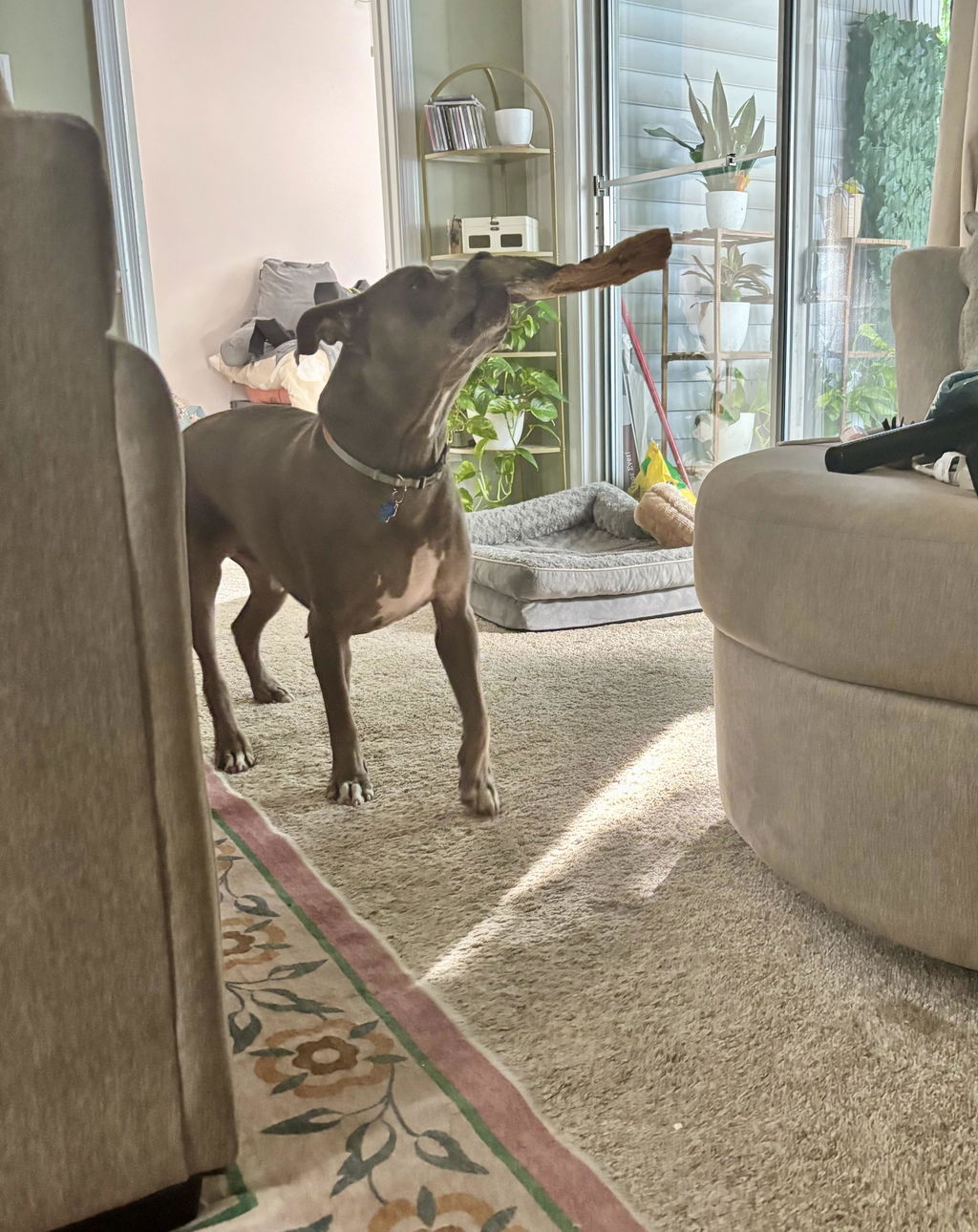
“Are bones safe to eat?” is one of the most common — and most confusing — questions pet parents ask. The short answer isn’t a simple yes or no, because not all bones are the same.
Bones can be incredibly beneficial when fed correctly, or extremely dangerous when fed incorrectly. The difference comes down to how the bone is processed, which bone is chosen, and how it’s fed.
Once you understand those factors, bone feeding becomes clear, intentional, and safe.
Why Many Vets Say “No Bones”
When veterinarians warn against bones, they’re usually responding to what they see most often in emergency and dental cases:
- Cooked bones from human meals
- Smoked or roasted bones sold as chews
- Weight-bearing bones that crack teeth
- Pets swallowing bones whole without supervision
From a medical standpoint, it’s safer to say “no bones” than to explain the difference between raw, freeze-dried, dehydrated, and cooked bones — especially when those distinctions are often forgotten.
So the advice isn’t wrong — it’s incomplete.
But Why Would You Want to Feed Bone at All?
This is the part most pet parents never hear.
Bone isn’t just something dogs and cats chew — it’s a required part of a species-appropriate diet.
In biologically appropriate feeding models, bone makes up roughly 10% of the diet. That percentage reflects how carnivores consume prey in nature: meat, organs, bone, connective tissue, and skin together.
When bone is removed entirely — or replaced incorrectly — diets can fall out of balance over time.
What Bone Provides (That Muscle Meat Can’t)
Properly fed bone offers benefits that can’t be replicated with muscle meat alone.
Bone provides:
- Bioavailable calcium and phosphorus in a naturally balanced ratio
- Structural minerals that support strong teeth and skeletal health
- Jaw exercise that helps maintain dental health
- Natural plaque and tartar reduction through chewing
- Mental enrichment and stress relief
- Support for proper growth and bone density in puppies and kittens
Bone isn’t optional nutrition — it’s foundational nutrition.
The Golden Rule of Bones
Cooked bones are never safe.
Raw bones are safest.
Freeze-dried raw bones come next.
Dehydrated or air-dried bones require caution.
Understanding why makes all the difference.
Raw Bones: The Gold Standard
Raw bones are how dogs and cats evolved to consume bone — flexible, moisture-rich, and biologically appropriate.
Raw bones:
- Bend instead of splinter
- Are softer on teeth
- Deliver complete bone nutrition
- Naturally clean teeth while chewing
Raw Bone Safety Rules
Not all raw bones are appropriate.
Avoid weight-bearing bones which are extremely dense and can crack teeth.
Instead, choose non–weight-bearing bones, such as:
- Raw heads
- Raw necks
- Raw wings
- Raw feet
These bones are designed to be chewed, not crushed.
Always:
- Choose a size appropriate for your pet
- Introduce bones gradually
- Supervise every chewing session
Freeze-Dried Raw Bones: Why So Many Pet Parents Choose Them
Freeze-dried bones begin raw and remain raw. The freeze-drying process removes moisture without using heat, which preserves the bone’s natural structure rather than altering it the way cooking or dehydration does.
One of the biggest misunderstandings about freeze-dried bones is texture. Freeze-dried bone is not hard like cooked bone. In fact, the texture is often similar to a pork rind — light, porous, and airy. In many cases, such as freeze-dried duck necks, pet parents can easily break the bone in half with their hands.
As pets chew, freeze-dried bones rehydrate with saliva, gradually becoming softer and more pliable. This rehydration process mimics how raw bone behaves during chewing, which is why freeze-dried raw bones do not splinter like cooked bones.
Freeze-dried bones:
- Maintain a porous, airy structure rather than becoming dense and brittle
- Soften as they rehydrate during chewing
- Retain natural minerals like calcium and phosphorus
- Provide dental cleaning and mental enrichment through chewing
- Are shelf-stable and easy to store
For many pet parents, freeze-dried bones offer the best balance between safety, nutrition, and convenience.
Why Choose Freeze-Dried Over Fresh Raw?
While raw bones are the gold standard, freeze-dried bones solve several real-life challenges:
- No raw meat mess on floors, rugs, or furniture
- No need for freezer space or thawing
- Easy to store in a pantry or treat drawer
- Ideal for travel, training days, or busy schedules
- Great for pets that eat slowly or move bones around the house
For pets that tend to drag raw bones onto couches or carpets, freeze-dried bones provide a much cleaner option — without sacrificing the benefits of raw bone nutrition.
Freeze-dried bones are also easier to portion. Many can be broken into smaller pieces, making them suitable for dogs and cats of different sizes and allowing for safer, more controlled chewing sessions.
At Golden Nibbles, we offer a wide variety of freeze-dried raw bone options for dogs and cats — including heads, necks, wings, and feet — making safe bone rotation simple, accessible, and practical for everyday feeding.
Dehydrated or Air-Dried Bones: Use With Care
Dehydrated bones are exposed to low heat over extended periods, which alters their structure more than freeze-drying.
These bones:
- Are more brittle than raw or freeze-dried bones
- Can fracture more easily
- Should only be given to experienced chewers
- Always require close supervision
They are never a replacement for raw bone, but may be used selectively.
Cooked Bones: Never Safe
This includes:
- Roasted bones
- Boiled bones
- Smoked bones
- Leftover bones from human meals
Cooking removes moisture and hardens bones, dramatically increasing the risk of splintering, choking, and internal injury. This applies to all dogs and cats, regardless of size.
What About Cats?
Cats are natural whole-prey consumers, and bone is a normal part of their diet when offered appropriately.
For cats:
- Small raw or freeze-dried bones (such as those found in heads, necks, or whole prey) are appropriate
- Large recreational bones are not
As with dogs, size, sourcing, and supervision are essential.
Supervision Is Not Optional
Regardless of the type of bone:
- Always supervise chewing
- Remove bones once they become small enough to swallow
- Feed bones intentionally, not casually
Bone feeding should never be “set it and forget it.”
The Takeaway
Bones aren’t dangerous — misunderstanding them is.
Safe hierarchy:
- Raw bones (best)
- Freeze-dried raw bones
- Dehydrated or air-dried bones (with caution)
- Cooked bones (never)
When fed correctly, bones support dental health, skeletal strength, mental enrichment, and long-term nutritional balance.
Explore our raw and freeze-dried bone options for dogs and cats. And if you subscribe, you’ll save 15% on monthly deliveries — an easy way to keep bone rotation consistent and species-appropriate.